

Our Commitment to Making Greener Choices

Looking Beyond Green Marketing
Many products describe themselves as "green", "natural" or "sustainable", but these words can mean very different things. We look for companies that openly share information about:
The materials they use.
Their manufacturing process.
Their energy sources.
Packaging and waste reduction.
Independent certifications.
Measurable environmental data rather than vague promises.
Transparency is important to us because it allows us to make informed decisions instead of relying on marketing alone.
Working With What We Have
Food is a big part of life at Same Roots, so it's also an area where we can make a difference.
We are a vegan site, and our communal kitchen is completely plant-based. Where possible, we grow some of our own fruit, vegetables and herbs on site, using what we grow in meals and sharing it within our community.
Growing our own food connects us more closely with the land, reduces the need to bring everything in from elsewhere, and gives us the opportunity to work with nature rather than simply taking from it.
We’re still learning, and we certainly don’t grow everything we need, but every little patch of food we can grow ourselves is a step in the right direction.
Small Changes Add Up
There isn't a single purchase or change that will make a business sustainable overnight. Instead, we believe that lots of thoughtful decisions gradually create meaningful change.
Whether it's the paper products we buy, the cleaning products we use, reducing waste, choosing local suppliers where practical, or repairing items instead of replacing them, we're continually looking for ways to lessen our impact.
As a charity, we also have a responsibility to spend our funds wisely. That means balancing environmental benefits with affordability, ensuring every pound goes as far as possible while still supporting our values.
At Same Roots Collective, caring for people and caring for the planet go hand in hand. While we're under no illusion that we're perfect, we believe every purchasing decision is an opportunity to reduce our environmental impact.
Rather than simply looking for products labelled as "eco-friendly", we try to understand why they're considered a better choice. Whenever possible, we choose suppliers who are transparent about how their products are made and who provide evidence to support their environmental claims.
Why We Chose Naked Paper
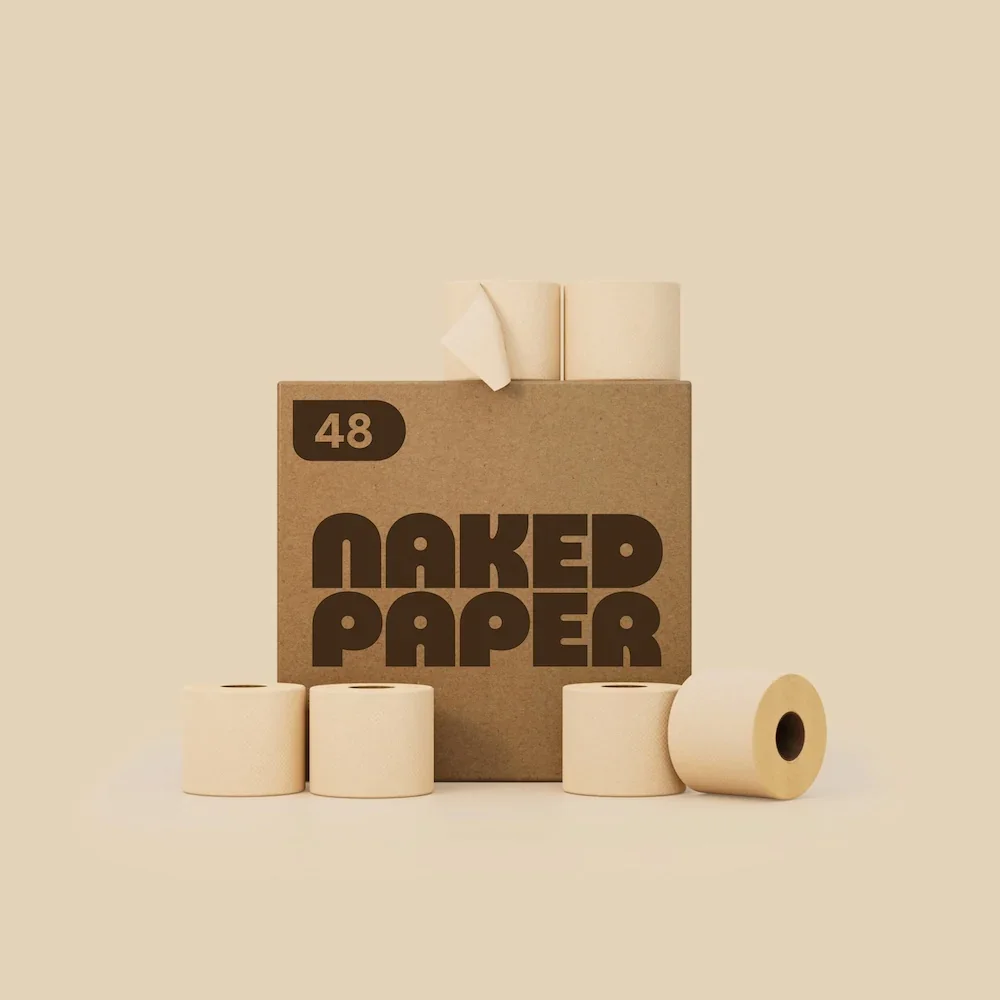
One example of this is our choice to use Naked Paper products throughout the centre.
We selected them because they don't simply claim to be environmentally responsible. They publish detailed information explaining how and why their products have a lower environmental impact. Their approach includes using unbleached paper, reducing unnecessary chemicals, manufacturing with renewable energy, minimising plastic packaging, and publishing independently assessed environmental data to support their claims.
For us, this openness and willingness to evidence their environmental credentials is just as important as the product itself.
Why We Chose Overherd
We chose Overherd because their approach helps reduce environmental impact in several ways:
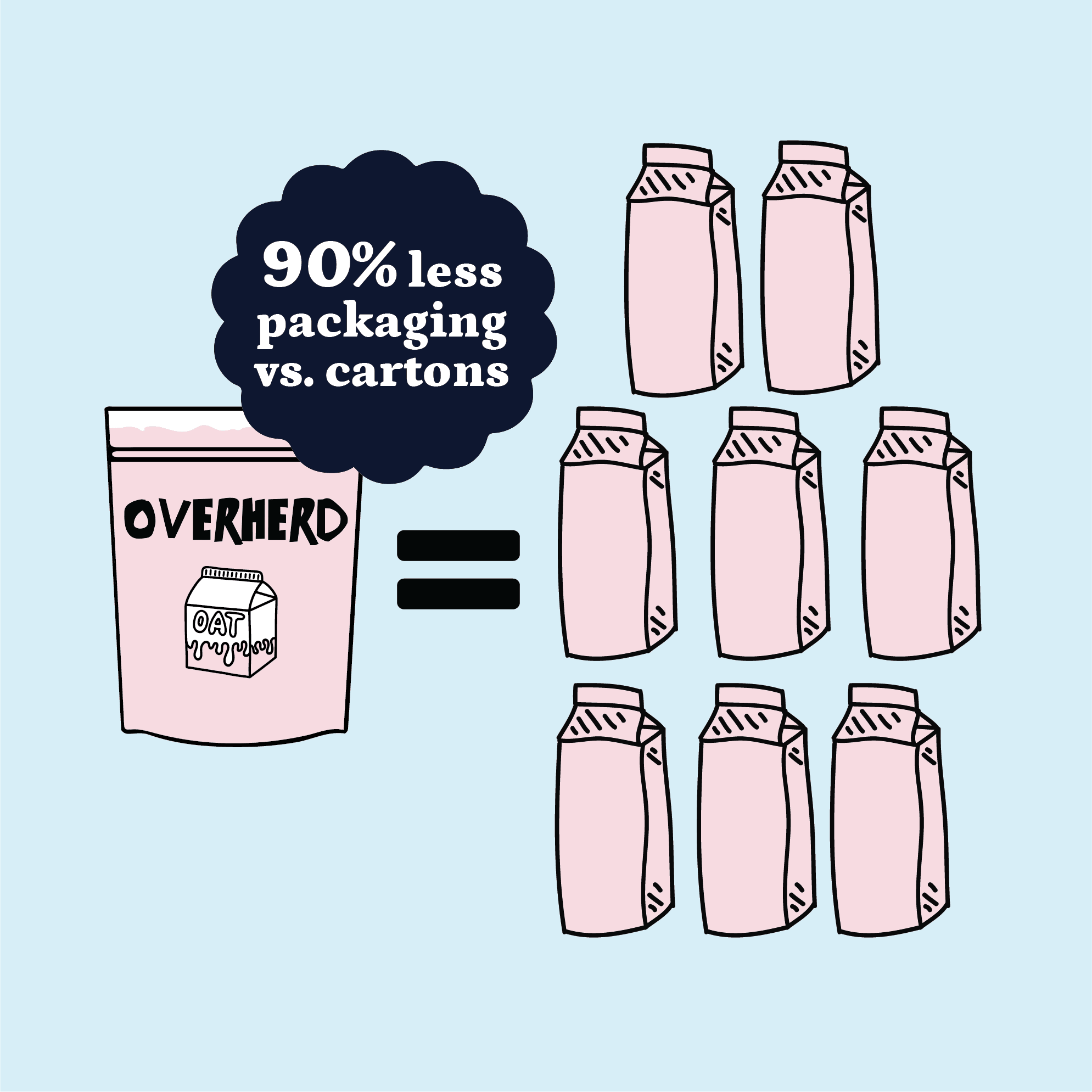
Less packaging – Each recyclable pouch replaces the equivalent of around eight standard oat milk cartons, dramatically reducing packaging waste.
Lower transport emissions – By removing the water before transport, the product is around ten times lighter than liquid oat milk, meaning fewer emissions during distribution.
Reduced food waste – We only prepare the amount we need, helping to avoid unused milk being poured away. The powder also has a naturally long shelf life without preservatives.
Made in the UK – Overherd is manufactured in the UK, helping to reduce transport distances compared with some imported alternatives.
Traditional plant milks are already a more environmentally friendly choice than dairy, but most are still sold as ready-to-drink liquids that are around 90% water. That means we're effectively transporting water around the country in cartons, requiring more packaging, more storage space, and more fuel for transport.
Overherd takes a different approach. Their oat milk is supplied as a powder, allowing us to add the water on-site when we need it. It's a simple idea that significantly reduces the environmental impact of getting the product from manufacturer to kitchen.
Why We Chose Lucart Econatural
Whenever possible, we look for products that don't just reduce waste, they actively give waste a new purpose.
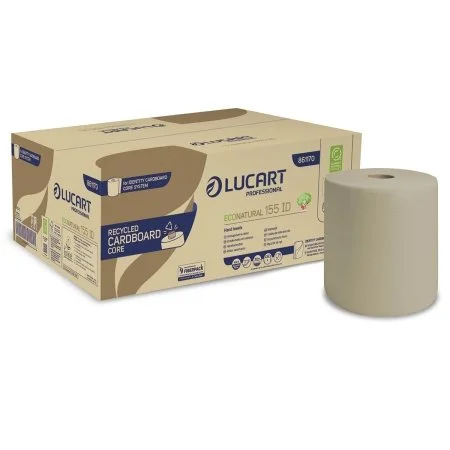
That's one of the reasons we've chosen Lucart Professional hygiene products in parts of the centre.
Many of Lucart's EcoNatural products are made using fibres recovered from used beverage cartons. Through an innovative recycling process, the paper fibres are separated and transformed into new tissue products, while the remaining materials are reused to create other products instead of becoming waste. This circular approach helps keep valuable resources in use for longer rather than relying solely on new raw materials.
We also appreciate that Lucart backs up its environmental claims with recognised independent certifications, including FSC®, PEFC, EU Ecolabel and Climate Neutral certification on selected product ranges. These certifications provide reassurance that the products have been assessed against recognised environmental standards rather than relying on marketing claims alone.
Like many of the suppliers we work with, Lucart's approach aligns with our belief that sustainability is about making thoughtful, evidence-based choices. By supporting businesses that embrace innovation, transparency and the principles of the circular economy, we can reduce our environmental impact one decision at a time.
An Ongoing Journey
Sustainability isn't a destination, it's something we continue learning about every day.
As new products become available and better evidence emerges, we'll keep reviewing our choices and making improvements wherever we can. We don't expect perfection, but we do believe in being thoughtful, honest, and transparent about the decisions we make.
Every small improvement is another step towards creating a healthier environment for our guests, our volunteers, our community, and the generations that follow.